
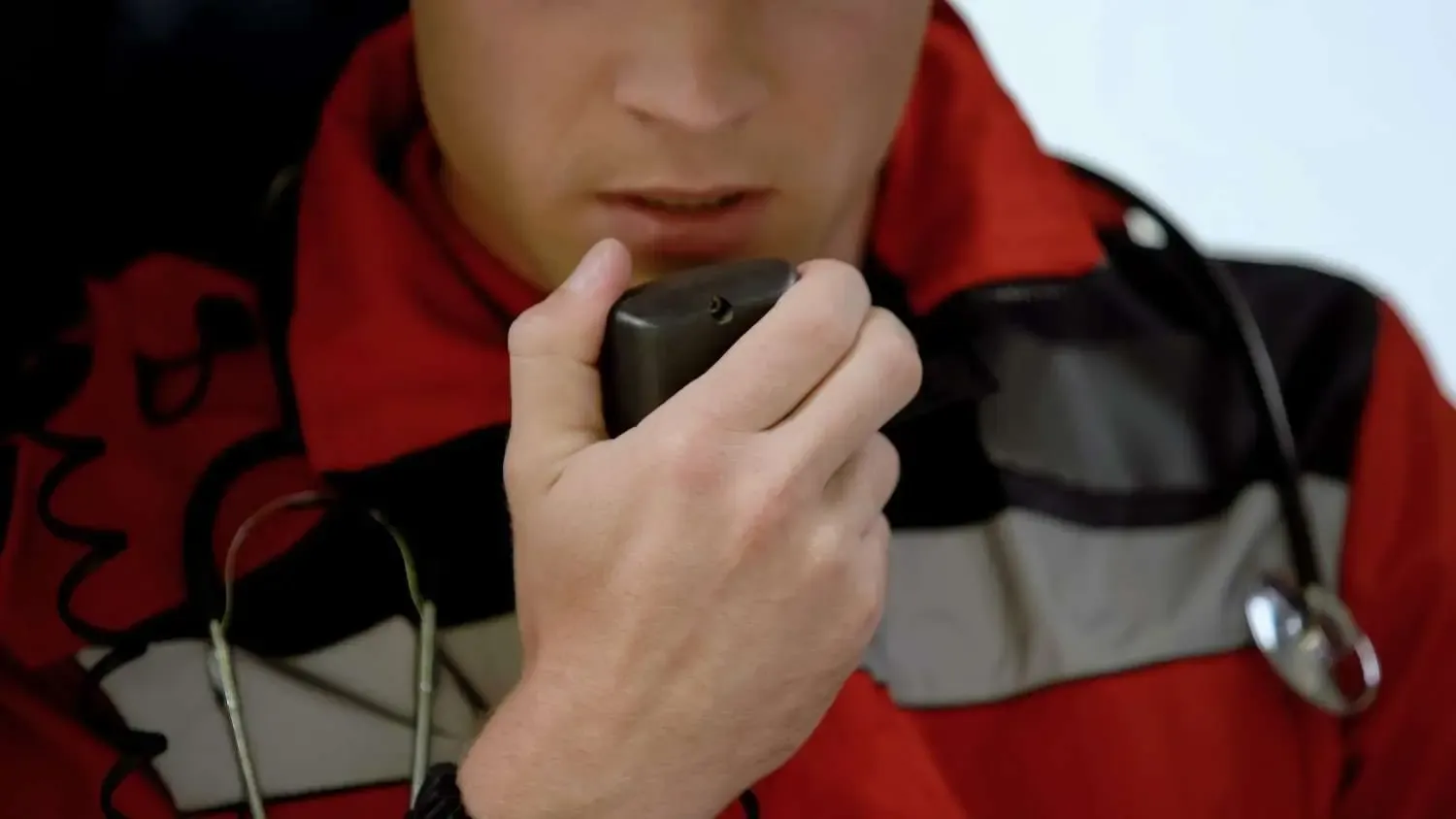
911 call takers, dispatchers, crisis counselors
Communications
911 call takers, dispatchers, and crisis counselors play a fundamental role in the first minutes of a crisis or traumatic event. Communications is the foundation that lets every other agency coordinate information, send the right resources, and keep responders safe.
What the job asks
- Answer emergency calls and gather the facts that decide who responds.
- Give life-saving instructions over the phone until help arrives.
- Track every unit in the field and relay information in real time.
- Absorb the hardest moments of other people's lives, call after call.
How you can help
- Know your location. Learn the address where you are, and use landmarks or mile markers when you are on the road.
- Stay on the line and answer the questions. The dispatcher is often sending help while you talk.
- If you dial 911 by mistake, stay on the line and say so. Hanging up can trigger a callback or a check.
Recognition
National Public Safety Telecommunicators Week
The second week of April
See the full recognition calendar
Support line
988 Suicide and Crisis Lifeline
Call or text 988
Free and confidential, 24/7.
Questions people ask
Can I text 911?
In some areas, yes, but not everywhere. The rule is call if you can, text if you can't. If texting 911 is not available where you are, you should get an automatic message telling you to call instead.
Why does the dispatcher ask where I am first?
Help cannot be sent without a location. Phones do not always share an exact address, especially on the road or in a large building, so your words are often the fastest way to get help moving.
Why do they keep asking questions after help is on the way?
Your answers go straight to the responders who are driving to you. They tell them what to expect, what to bring, and how to keep everyone safe when they arrive.