Firefighters, rescue, fire prevention
Fire
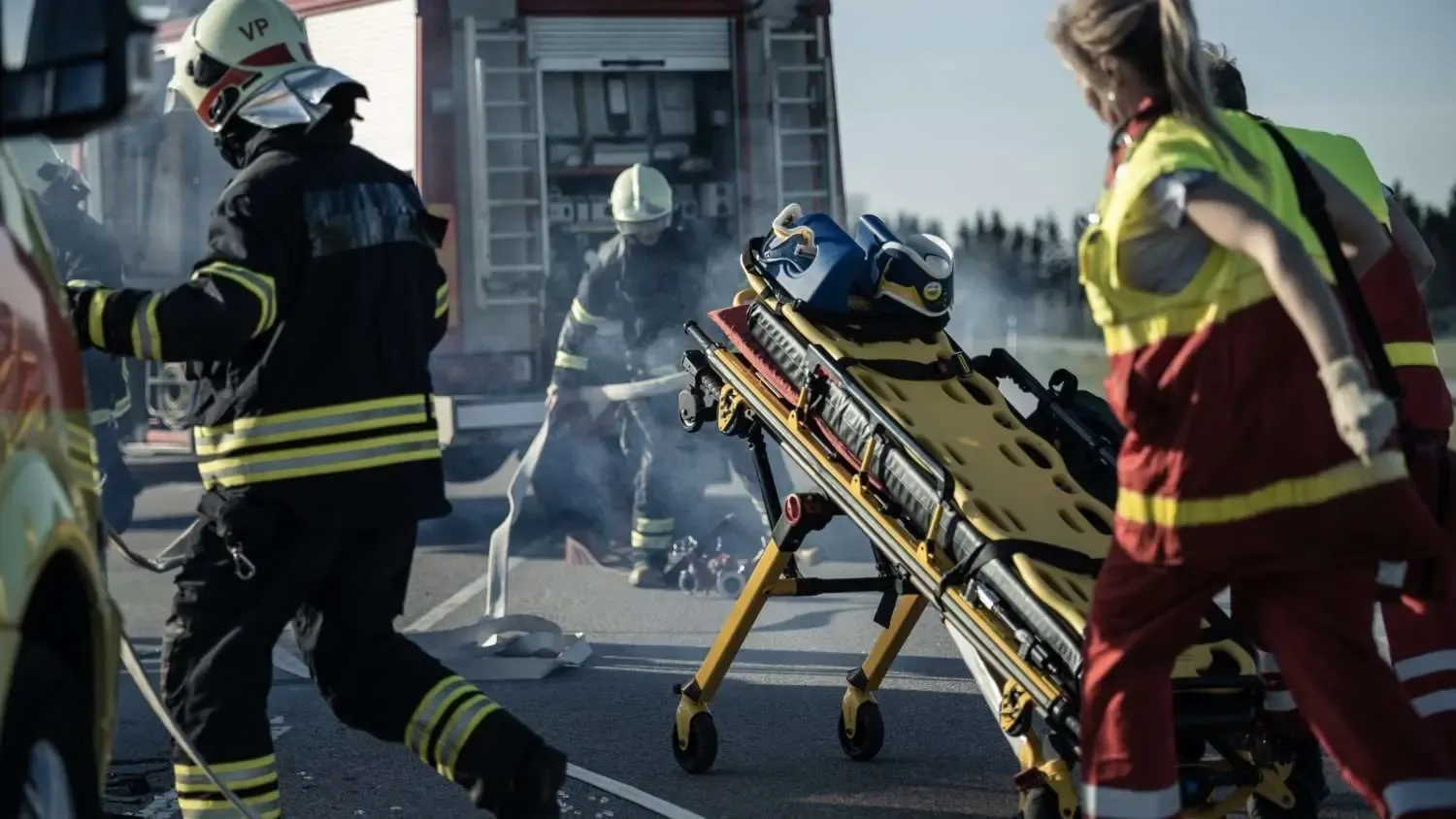
Firefighters are intensively trained to combat fire hazards that threaten lives, property, and the environment. That includes rescuing people, and even animals, from dangerous situations. Fire departments are often first on scene at medical emergencies, working alongside EMS.
What the job asks
- Suppress structure, vehicle, and wildland fires.
- Perform rescues: vehicle extrication, water, high angle, and confined space.
- Respond to medical calls, often arriving before the ambulance.
- Inspect buildings and teach fire prevention in schools and neighborhoods.
How you can help
- Test smoke alarms once a month and replace any alarm that is ten years old.
- Plan two ways out of every room and practice your home escape plan.
- Charge phones, e-bikes, and tools with the charger made for them, and never under a pillow or on a bed.
Recognition
Fire Prevention Week
October, the week that includes October 9 (2026: October 4 to 10)
See the full recognition calendar
Support line
NVFC Share the Load
Behavioral health program
Resources for fire, EMS, and rescue personnel and their families.
Questions people ask
Why does a fire truck come to a medical call?
Many fire departments run medical calls, and their stations are spread out so a crew can reach most addresses quickly. Many firefighters are also trained as EMTs or paramedics, so they can start care before the ambulance arrives.
Where should smoke alarms go?
Inside every bedroom, outside each sleeping area, and on every level of the home, including the basement. Test them monthly and replace any alarm that is ten years old.
What should I do if my clothes catch fire?
Stop where you are, drop to the ground, cover your face with your hands, and roll until the fire is out. Then cool the burn with cool water and get medical help.